
The crypto world has witnessed many innovations, but few have captured the imagination of enthusiasts and creators like NFTs—short for Non-Fungible Tokens. From digital art to iconic sports moments, NFTs have become a cornerstone of the blockchain revolution. Let’s dive into what NFTs are, how they work, and where you can trade them.
What Does Non-Fungible Mean?
The term “non-fungible” means non-replaceable or unique. Unlike fungible assets like cryptocurrencies (e.g., 1 Bitcoin is always equal to another Bitcoin), NFTs are one-of-a-kind digital assets. Each NFT represents something distinct, with its value determined by factors like demand, rarity, and ownership.
Example of Non-Fungibility
Imagine a famous cricketer hitting their iconic helicopter shot in a world cup match. The cricketer could turn this unforgettable moment into a digital asset by creating an NFT. This NFT would represent exclusive ownership of the video clip, which could be sold to fans. Beyond just a digital file, owning this NFT could grant perks like signed merchandise or access to exclusive events.
How Do NFTs Work?
NFTs are built on blockchain technology, the same decentralized infrastructure that powers cryptocurrencies. Here’s a simplified breakdown of how NFTs function:
- Minting: NFTs are created using smart contracts on blockchain networks such as Ethereum, Binance Smart Chain, or Solana.
- Ownership: Each NFT has unique metadata stored on the blockchain, ensuring transparency and preventing duplication.
- Transactions: NFTs can be bought, sold, or traded on specialized marketplaces using cryptocurrencies.
When someone buys an NFT, ownership is transferred to the buyer, and the transaction is permanently recorded on the blockchain.
Why Are NFTs Valuable?
The value of an NFT comes from its uniqueness, demand, and exclusivity. Key reasons include:
- Authenticity: Blockchain ensures the originality of the NFT.
- Scarcity: Limited editions or one-of-a-kind items drive value.
- Utility: Some NFTs include added benefits like access to private communities or physical goods.
For example, owning an NFT of the cricketer’s helicopter shot could make you part of an exclusive fan group with special privileges.
Use Cases of NFTs
NFTs are versatile and can represent almost anything digital (and even some physical assets). Here are a few popular use cases:
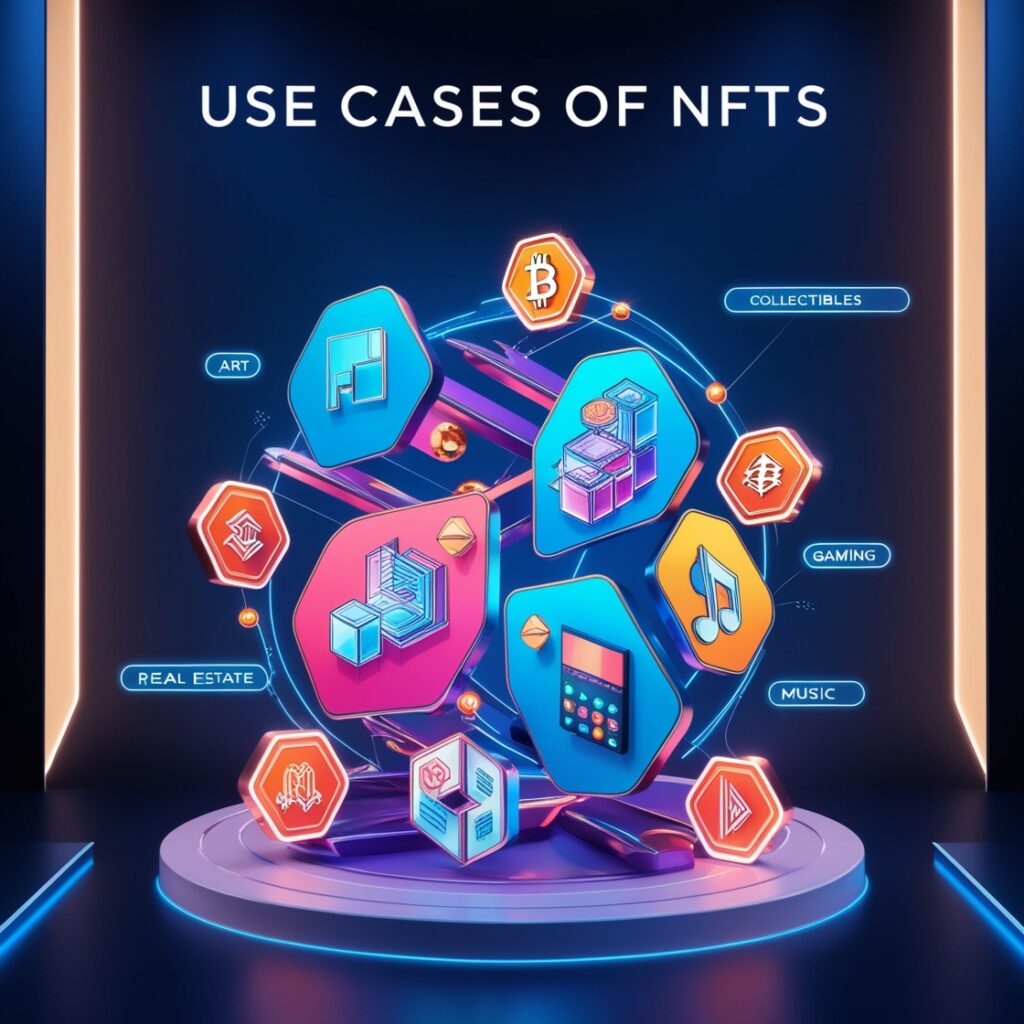
- Digital Art: Artists can sell their work as NFTs, ensuring originality and royalties from secondary sales.
- Gaming: Players can own and trade in-game assets like characters, skins, or virtual land.
- Sports Highlights: Platforms like NBA Top Shot sell iconic sports moments as NFTs.
- Music and Media: Musicians can sell albums or exclusive content directly to fans.
- Virtual Real Estate: Platforms like Decentraland offer digital land that can be bought and developed.
Challenges of NFTs
While exciting, NFTs come with their own challenges:
- Environmental Impact: Minting NFTs consumes significant energy on some blockchains.
- Market Volatility: NFT prices can fluctuate drastically.
- Scams and Counterfeits: Unsuspecting buyers may encounter fake or plagiarized NFTs.
Top NFT Marketplaces
Looking to explore the NFT world? Here are some of the best marketplaces to get started:
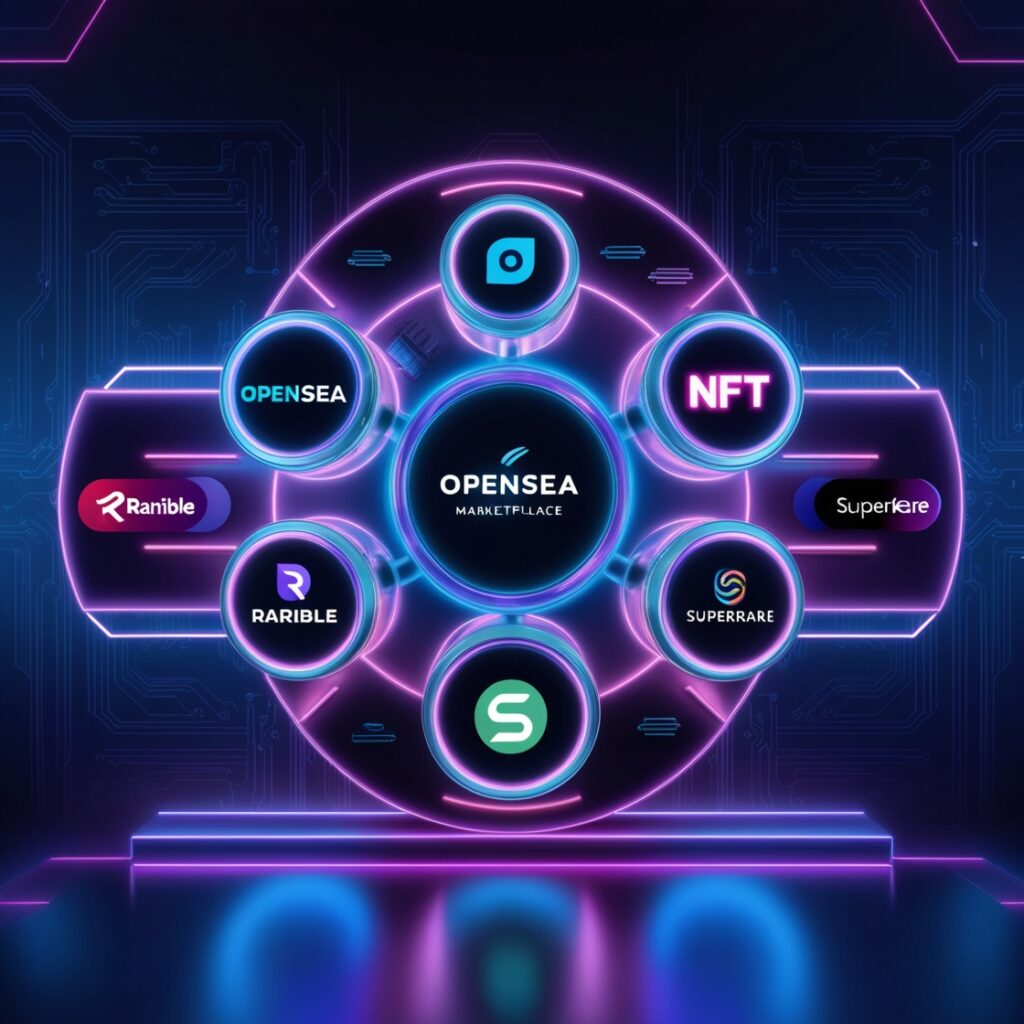
1. OpenSea
- The largest NFT marketplace, supporting a wide range of digital assets like art, domain names, and collectibles.
- Blockchain: Ethereum, Polygon, and more.
- Perfect for beginners with its user-friendly interface and no-coding minting options.
2. Rarible
- A decentralized marketplace where users have governance rights through the $RARI token.
- Blockchain: Ethereum, Flow, and Tezos.
- Features lazy minting, allowing creators to mint NFTs without upfront costs.
3. AtomicHub
- Ideal for gaming-related NFTs and digital collectibles.
- Blockchain: WAX (energy-efficient and low-cost).
4. Binance NFT
- Run by Binance, this platform combines NFT trading with gaming assets.
- Blockchain: Binance Smart Chain and Ethereum.
- Features low fees and seamless integration with Binance’s ecosystem.
5. Foundation
- A curated marketplace focused on high-quality digital art.
- Blockchain: Ethereum.
- Known for exclusive and invitation-only content for creators.
6. SuperRare
- A premium platform for digital art collectors, offering high-end artwork with strict creator verification.
- Blockchain: Ethereum.
7. Mintable
- Beginner-friendly, with zero gas fees for NFTs created using Immutable X.
- Blockchain: Ethereum and Immutable X.
8. Nifty Gateway
- Specializes in exclusive NFT drops from celebrities and top artists.
- Blockchain: Ethereum.
- Allows purchases via credit cards, making it accessible to non-crypto users.
The Future of NFTs
NFTs are reshaping how we perceive ownership in the digital space. As technology evolves, we’ll see NFTs playing an even larger role in industries like gaming, real estate, and entertainment. Imagine owning a piece of virtual property or attending concerts in the metaverse using NFTs as tickets.
Earn from Airdrops and NFTs – Join Our Community!
If you’re excited about the possibilities of NFTs and want to explore ways to earn from them, or if you’re looking for the latest airdrops, be sure to check out our Telegram channel.
We regularly share exclusive crypto airdrop opportunities, NFT giveaways, and tips on how you can participate in the exciting world of crypto! Don’t miss out on your chance to stay updated and earn rewards.
Join our Telegram Channel:
Additionally, you can explore the latest airdrop opportunities directly on our website by visiting the Airdrops section in the header!
Let’s build your crypto portfolio together and take advantage of these amazing opportunities.
Conclusion
NFTs have opened up a new world of possibilities for creators, collectors, and businesses. Whether it’s a digital painting, an iconic sports moment, or virtual land, NFTs allow us to own, trade, and interact with digital assets in ways never seen before.