Introduction
Crypto trading is exciting, but it can also be a rollercoaster of emotions. One moment, you’re celebrating a big win, and the next, you’re panicking over a sudden drop. The truth is, emotions like fear and greed often drive decisions, leading to mistakes that can cost traders a lot of money.
In this blog, we’ll explore the psychology of crypto trading and how you can avoid emotional mistakes. Don’t worry—we’ll keep it super simple so that even a child can understand. Plus, we’ll use real-life examples to make learning fun and easy!
Why Emotions Control Crypto Traders
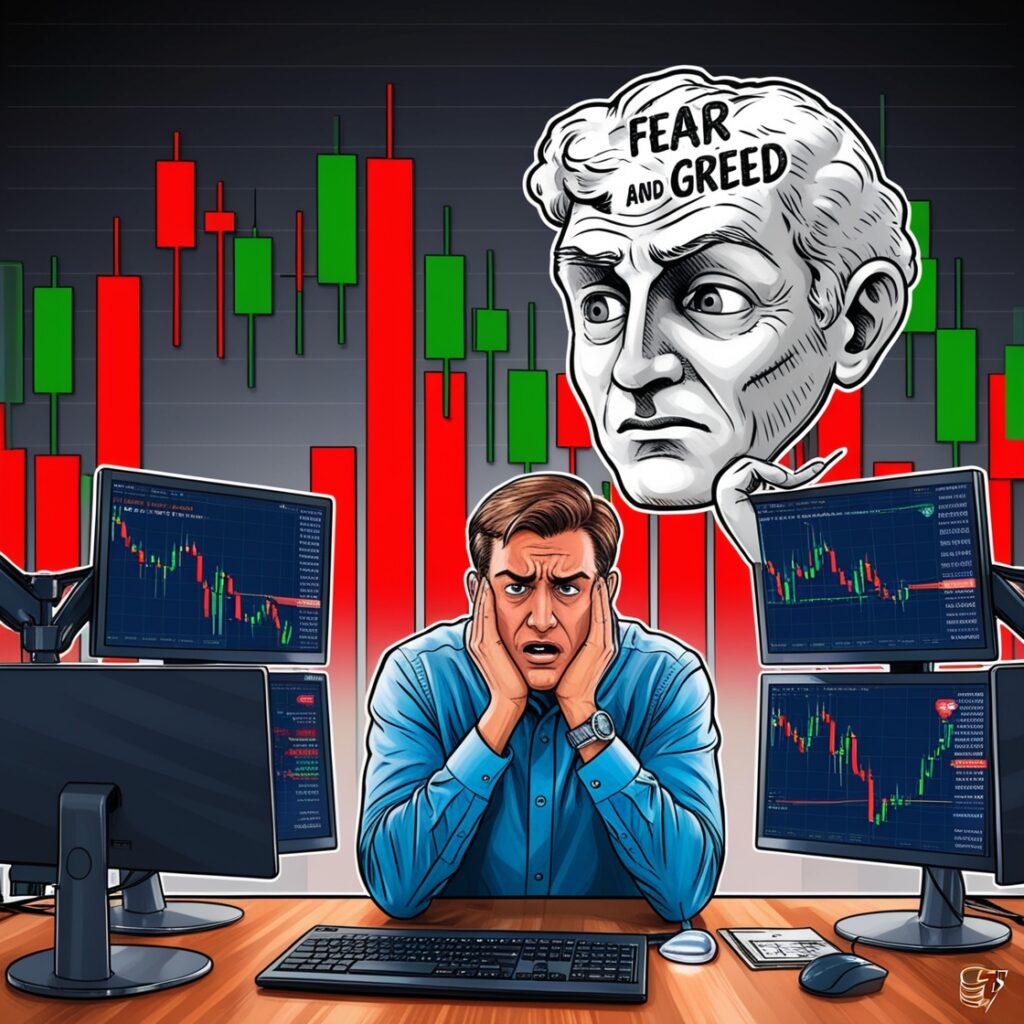
Crypto markets are highly volatile—prices move up and down quickly. This makes traders feel intense emotions like:
- Fear – “What if I lose all my money? Should I sell now?”
- Greed – “The price is going up fast! I should buy more before it’s too late!”
- FOMO (Fear of Missing Out) – “Everyone is talking about this coin. I need to invest now!”
- Regret – “I should have bought earlier. Now I missed my chance!”
These emotions cloud judgment, leading to bad trading decisions. Let’s dive into the common emotional mistakes and how to avoid them.
1. The Fear of Losing Money (Panic Selling)
What Happens?
Imagine you buy Bitcoin at $40,000. The next day, the price drops to $35,000. You panic and sell, fearing that it will drop further.
A week later, Bitcoin bounces back to $45,000. You regret selling too early!
How to Avoid It:
Think Long-Term: Crypto prices fluctuate daily, but historically, they tend to rise over time. Set a Stop-Loss: Decide beforehand how much you’re willing to lose and set an automatic sell order. Follow a Plan: Stick to a strategy, not emotions. Never make decisions based on short-term price swings.
2. Greed and Overtrading
What Happens?
Let’s say Ethereum is skyrocketing. You invest all your money, thinking it will keep going up. But suddenly, it crashes. Now you’ve lost everything!
How to Avoid It:
Take Profits: When you make a good profit, withdraw some money instead of reinvesting it all. Don’t Invest Everything in One Coin: Always diversify your investments. Stick to Your Plan: Set target prices for buying and selling and don’t chase profits.
3. FOMO (Fear of Missing Out)
What Happens?
You see everyone talking about a new coin. Influencers say it’s the “next Bitcoin.” The price is rising fast, so you buy at the top. Then, it crashes, and you lose money.
How to Avoid It:
Do Your Own Research (DYOR): Don’t buy just because others are hyping it. Avoid Buying at the Peak: If a coin has already skyrocketed, wait for a better entry point. Understand Market Trends: Big price jumps often lead to corrections.
4. Holding on Too Long (HODL Trap)
What Happens?
You buy a coin at $50. It goes up to $100, but you think, “What if it reaches $200?” Instead of selling, you hold on. Suddenly, it drops back to $40.
How to Avoid It:
Set Target Prices: Decide when to sell before you buy. Don’t Get Greedy: If you’ve made a good profit, take some money out. Use a Trailing Stop-Loss: This lets you lock in profits while keeping room for potential gains.
5. Revenge Trading
What Happens?
You make a bad trade and lose money. Instead of taking a break, you immediately trade again to “win back” your losses. This leads to even bigger losses.
How to Avoid It:
Take a Break: Walk away after a loss. Clear your mind before trading again. Stick to Your Strategy: Follow a logical approach, not emotions. Accept Losses: No one wins all the time. Learn from mistakes and move on.
6. Confirmation Bias (Only Seeing What You Want to See)
What Happens?
You believe Dogecoin is the best investment. You only read positive news and ignore warnings about its risks.
How to Avoid It:
Look at Both Sides: Read both positive and negative opinions. Analyze Data, Not Hype: Use charts, indicators, and expert analysis. Stay Open-Minded: Be willing to change your opinion if facts change.
7. Lack of Patience
What Happens?
You invest in Cardano (ADA) and expect quick profits. After a few weeks of no price movement, you sell. A month later, the price doubles!
How to Avoid It:
Understand Market Cycles: Crypto moves in bull and bear cycles. Have a Long-Term Vision: Big gains take time. Avoid Checking Prices Every Hour: It leads to stress and impulsive decisions.
Conclusion
Crypto trading is not just about numbers—it’s about controlling your emotions. The most successful traders stay calm, patient, and disciplined. To avoid emotional mistakes:
- Follow a trading plan
- Control fear and greed
- Use stop-loss and take-profit orders
- Stay informed but not influenced by hype
- Be patient and think long-term
Next time you trade, ask yourself: Am I making this decision based on logic or emotions? If it’s emotions, take a step back and think again!